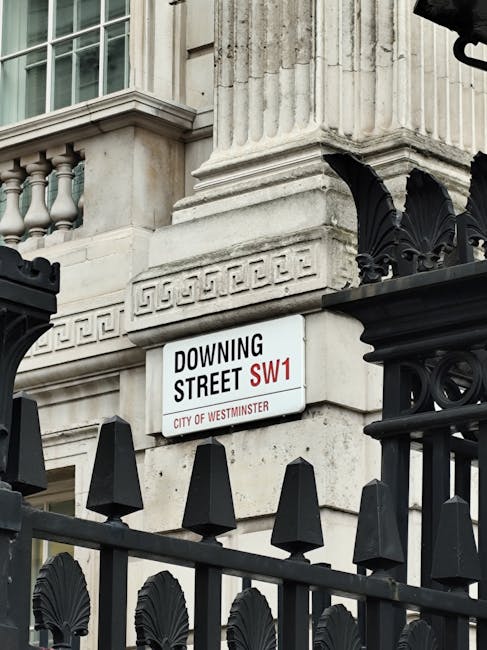
Westminster council permits loading bay rules for removals: a practical guide for a smoother move
If you are moving in central London, you already know the basics can become the hard part. Narrow streets, busy traffic, tight timing, and neighbours who would really rather not hear a trolley at 7 a.m. all add up. That is why Westminster council permits loading bay rules for removals matter so much. They are not just admin. They are what helps your van stop legally, load safely, and get away without turning move day into a parking nightmare.
This guide explains what those rules mean in plain English, how loading bay permits usually fit into the process, who needs them, and what to do so your removal day runs with less stress. You will also find a step-by-step plan, common mistakes to avoid, and a realistic checklist you can use the night before the move. No drama. Just the useful stuff.
- Why it matters
- How it works
- Key benefits and practical advantages
- Who this is for and when it makes sense
- Step-by-step guidance
- Expert tips for better results
- Common mistakes to avoid
- Tools, resources and recommendations
- Law, compliance, standards, or best practice
- Options, methods, or comparison table
- Case study or real-world example
- Practical checklist
- Conclusion
- Frequently asked questions
Why Westminster council permits loading bay rules for removals Matters
In Westminster, loading space is precious. That is the heart of the issue. A removal van needs a legal place to stop close to the property, often for just long enough to load boxes, furniture, and awkward items like wardrobes or a piano. Without the right permission or a clear understanding of the loading bay rules, you risk fines, delays, blocked access, and a move that drags on longer than it should.
For many households and businesses, the loading bay is the difference between a controlled move and a chain reaction of small problems. The van arrives, but cannot stop where planned. The team walks everything further than expected. The lift slot gets missed. The neighbour needs access. Time slips away. It sounds minor until you are the one watching the clock.
That is why it pays to treat parking and loading as part of the move itself, not an afterthought. If you are booking help for a flat, office, or house move, the access plan is just as important as the boxes.
Practical takeaway: in Westminster, the legal stopping point is often more important than the distance of the move. A short move with poor access can take longer than a bigger move with clean loading arrangements. Bit annoying, but true.
How Westminster council permits loading bay rules for removals Works
Although the exact rules can vary by street, bay type, and time of day, the general idea is straightforward. A loading bay is a marked space intended for loading and unloading vehicles. Some bays allow short stays, some are restricted to certain vehicle types or times, and some are controlled by council permits or traffic orders. For removals, you usually need to know whether your vehicle can stop there legally, for how long, and whether any special permission is required.
The safest approach is to check the property access early and confirm the loading bay situation before move day. If your van will be parked in a bay, ask yourself a few simple questions: Is it a standard loading bay? Does it have time limits? Is the location shared with commercial traffic? Is suspension or another parking arrangement needed because the bay is likely to be occupied?
In practice, the rules are there to keep traffic moving and to protect loading space for genuine short-term use. That means removals are usually expected to be well planned. You cannot just turn up and hope for the best. To be fair, that would be a bold strategy in Westminster.
Most removal jobs rely on one of three access approaches:
- Using a permitted loading bay close to the property.
- Using a private forecourt, driveway, or managed building access point.
- Using a legal alternative stop location and carrying items a little further.
For the move itself, good planning also includes whether you need help with packing and boxes, a larger vehicle such as a moving truck, or a simpler man and van style service for smaller loads.
Key Benefits and Practical Advantages
Getting the loading bay rules right is not only about avoiding penalties. It makes the whole removal feel calmer and more organised. And honestly, a calmer move is usually a cheaper move too, because the team is not wasting time hunting for parking or carrying a sofa halfway down the street.
Here are the main benefits:
- Less delay: the vehicle can stop where the job actually needs it.
- Lower risk of penalties: fewer chances of parking issues, complaints, or enforcement problems.
- Smoother handling: heavy items are moved over a shorter distance, which helps reduce strain and breakage.
- Better scheduling: you can plan around lift access, concierge windows, or building rules.
- More accurate quotes: access details help removal companies price the job properly.
There is also a less obvious benefit: confidence. When the access plan is clear, everything else tends to fall into place. You are not trying to answer parking questions while standing outside with a kettle, three bagged lampshades, and a mildly stressed cat in the background.
If your move involves a full household, you may also want to combine access planning with home moves support or house removals services, especially where larger furniture or multiple trips are involved.
Who This Is For and When It Makes Sense
Loading bay rules matter for almost anyone moving in or out of Westminster, but they are especially relevant in certain situations. If your property sits on a busy road, near a school, in a terrace with limited stopping space, or inside a managed block, you will almost certainly need to think about access in detail.
This is most useful for:
- Homeowners and tenants moving from flats or upper floors
- People moving into central Westminster streets with limited parking
- Office managers arranging a commercial relocation
- Students moving at the start or end of term
- Anyone with bulky items, including pianos or large wardrobes
- Customers needing short-notice or same-day help
It is also worth paying attention if your move date falls on a weekday morning, during school runs, or when traffic is already heavy. Westminster can feel busy at the best of times. On a wet Tuesday in winter? Even busier. Not ideal, but predictable enough if you plan properly.
For smaller jobs, a lighter vehicle may be enough. For larger moves, it can make sense to review options like removal van, removal truck hire, or a full removal services package.
Step-by-Step Guidance
Here is a sensible way to handle Westminster loading bay planning without overcomplicating things.
- Check the exact address and access route. Do not rely on the postcode alone. A front entrance, side street, or service yard can change everything.
- Identify the nearest loading bay or stopping area. Note whether it is outside your building, across the road, or a short walk away.
- Confirm the time limits and conditions. Some bays are short-stay only, while others are tied to certain hours or permit types.
- Talk to your landlord, concierge, or building manager. In managed buildings, there may be separate access rules or booking windows.
- Book the vehicle size around the access, not just the volume. A larger van is not always better if it cannot stop close enough.
- Allow a realistic loading window. A move with stairs or awkward access needs more time than a simple ground-floor load.
- Keep documents and instructions in one place. Move day is not the time to search through old emails for the parking note.
- Reconfirm the plan the day before. If anything has changed, you want to know before the van is already on the way.
A simple example: if a flat move has a loading bay opposite the building but the lift is booked for a narrow slot, the access plan must support that timing. Otherwise, everyone ends up waiting around, and no one enjoys that. Not the driver, not the resident, not the person in charge of the keys.
If you need help coordinating the physical side of the move, services like flat removals and packing and unpacking services can make the day much more manageable.
Expert Tips for Better Results
The best removals in Westminster usually come down to the small things. Nothing glamorous. Just disciplined planning and a bit of common sense.
- Choose the loading window with the least friction. Early morning may be quieter, but it can clash with building rules. Midday can be easier for access, though traffic may be heavier. There is no perfect slot, just the best compromise.
- Measure awkward items properly. A sofa that fits in the flat may still be a pain to manoeuvre in a narrow bay area.
- Split the load if needed. Sometimes two smaller trips are cleaner than forcing everything into one large run.
- Protect communal areas. Hallways, lifts, and entrances get damaged when people rush. A few extra minutes with covers and care goes a long way.
- Keep the driver's contact details handy. If the loading space is blocked for two minutes by another vehicle, quick communication can save the whole schedule.
A useful habit is to take a photo of the loading location the day before. It sounds simple, and it is, but that image can help everyone visualise where the van will actually stop. Tiny thing. Big help.
For business moves, planning gets even tighter. Coordinating staff, desks, files, and access routes is much easier when you work with office removals or commercial moves support, because the timing issues multiply quickly in busy central areas.
Common Mistakes to Avoid
Most loading bay headaches are avoidable. The trouble is, they often feel minor until they are not.
- Assuming any marked bay is fine. A loading bay is not automatically available for every vehicle at every time.
- Forgetting that time is part of the rule. A bay may be legal only for a limited period. If the move runs over, the risk rises fast.
- Leaving access checks until the last day. By then, options are fewer and everyone feels rushed.
- Not telling the removal team about stairs, lifts, or restricted entry. This is the sort of detail that changes labour time and vehicle choice.
- Choosing the wrong service type. A small vehicle is handy for a quick run, but not always for a full household. Likewise, a big truck can be overkill if the street simply cannot accommodate it.
One other thing: do not forget building rules. Westminster council rules and building management rules are not the same thing, and sometimes the building rules are stricter. That is where people get caught out.
Tools, Resources and Recommendations
You do not need a complicated toolkit to plan this properly. What helps most is a clear record and a realistic schedule.
- Address notes: exact property entrance, bay location, and any access code or concierge requirement.
- Room-by-room inventory: especially if you are deciding between a van, truck, or multi-trip move.
- Photo set: one picture of the street, one of the entrance, and one of the loading bay if possible.
- Calendar reminders: for building bookings, lift slots, and vehicle arrival times.
- Insurance and safety paperwork: useful when moving valuables or items with extra handling needs.
For a better overall moving experience, it helps to use a company that can talk through access clearly rather than rushing straight to price. If you are comparing providers, check whether they explain parking, route planning, and item protection in a practical way. The same goes for insurance and safety, which matters more than people sometimes realise until something gets scratched. Then it matters a lot.
You may also want to review pricing and quotes early so you understand how access, labour time, and vehicle size affect the final figure.
Law, Compliance, Standards, or Best Practice
Because loading bay use touches parking, access, and public space, it sits within a broader framework of local parking controls and safe moving practice. The exact legal position depends on the street and the type of restriction in place, so it is wise to treat every location as its own case rather than assuming a standard rule will apply everywhere.
In practical terms, good compliance means three things:
- Use the space only as allowed. That includes respecting time restrictions and any vehicle conditions.
- Do not block access. Keep pedestrian routes, entrances, and emergency access clear wherever possible.
- Plan the work safely. Heavy lifting, awkward carries, and tight streets need a careful approach, not a rushed one.
Best practice in removals also means clear communication between the customer, the driver, and anyone managing the building. If a bay is shared or the move takes place in a busy area, those conversations become essential. Nothing fancy. Just good working practice, really.
For peace of mind, choose companies that take a documented approach to safety and responsibility, including clear terms and conditions and a visible health and safety policy.
Options, Methods, or Comparison Table
Different moves call for different access strategies. Here is a simple comparison to help you think it through.
| Method | Best for | Strengths | Limitations |
|---|---|---|---|
| Loading bay stop | Most urban removals with nearby access | Fast loading, shorter carries, efficient for bulky items | Subject to time limits and local restrictions |
| Private driveway or forecourt | Managed properties or homes with off-street access | Often easier and less exposed to traffic issues | Not available at many central London properties |
| Street-side legal stop | Smaller moves or temporary unloading | Flexible when no bay is nearby | May mean longer carrying distances |
| Multiple trips with smaller vehicle | Light loads or difficult streets | Can suit restricted access and narrow roads | Can take longer and require tighter scheduling |
If you are unsure which option fits your situation, think about the heaviest item, not just the number of boxes. A few boxes are easy. A solid oak table on a narrow staircase is a different story altogether.
For smaller central moves, a man with a van or man with van option can be practical. For more involved jobs, a larger moving truck may be the better fit if the access allows it.
Case Study or Real-World Example
Here is a realistic Westminster scenario. A two-bedroom flat move in a busy side street, with a morning lift booking and no private parking. The resident assumed the loading bay outside the building would be fine, but the bay had a short maximum stay and the street was already busy with delivery traffic. If the team had simply turned up and guessed, it would have been messy.
Instead, the move was planned around the bay's permitted loading period. The removal team arrived a little earlier, the walk routes were cleared in advance, and fragile items were packed separately so the first load could be the heaviest furniture. That meant the heaviest lifting happened while the van was right where it needed to be. Simple, but effective.
The actual difference was not flashy. It was a series of small decisions: better timing, clearer communication, and not pretending the street was easier than it looked. That is usually what makes a Westminster move work. Not luck. Just decent planning.
If you are moving from a compact property, it can be worth pairing access planning with packing and boxes support so the load is more predictable and the van is used efficiently.
Practical Checklist
Use this checklist the day before your move. It is a small thing, but it saves a lot of back-and-forth.
- Confirm the exact moving address and entrance.
- Check the nearest loading bay and note any time restrictions.
- Ask whether building management has separate access rules.
- Share any stair, lift, or key-code details with the removal team.
- Confirm the vehicle type and whether it can stop where planned.
- Pack valuables and essentials separately.
- Keep mobile numbers handy for the driver and the property contact.
- Protect floors, entrances, and shared areas where needed.
- Review your timing so the move does not clash with access windows.
- Have a backup plan in case the loading bay is occupied on arrival.
Quick reminder: a five-minute check is often enough to avoid a fifty-minute problem.
Get a free quote today and see how much you can save.
Conclusion
Westminster council permits loading bay rules for removals are really about one thing: making sure your move is legal, efficient, and not unnecessarily stressful. When you understand the access rules early, the rest of the day becomes much easier to manage. You avoid scrambling for parking, reduce the risk of delays, and give your belongings a smoother ride from door to van.
Most moving problems in Westminster are not mysterious. They are access problems. The good news is that access problems can usually be solved with planning, the right vehicle, and a realistic schedule. Sometimes that is all it takes. A little clarity goes a long way.
If you are planning a move soon, take the loading bay question seriously from the start. It can save time, money, and a fair bit of headache. And on move day, that is worth its weight in cardboard.
Frequently Asked Questions
Do I need permission to use a loading bay for removals in Westminster?
Not always in the same way for every street, but you do need to confirm that the bay can legally be used for your vehicle, at your time of day, and for the type of loading you are doing. In Westminster, the details matter more than people expect.
Can a removal van stop in a loading bay without a permit?
Sometimes, but only if the bay's conditions allow it. The safest assumption is that the bay rules apply strictly and may include time limits, vehicle restrictions, or other conditions. Always check first rather than assuming short-term loading is automatically fine.
What happens if the loading bay is occupied on move day?
You may need to wait, use an alternative legal stopping place, or adjust the loading sequence. That is why a backup plan is so useful. A move in Westminster can go sideways fast if the only access point is blocked.
How far in advance should I sort out loading bay arrangements?
As early as you can. For busy central locations, leaving it to the last minute is risky. A few days ahead is better than a few hours ahead, and for more complex moves, earlier still is sensible.
Is a smaller vehicle better for Westminster streets?
Not automatically. A smaller vehicle may be easier to place, but if it means too many trips or cannot carry your larger furniture, it may create more hassle. The right choice depends on both the access and the load.
What if my building has a concierge or management office?
That is helpful. Speak to them early and ask about booking windows, lift use, and any access paperwork. Building rules can be just as important as council restrictions, sometimes more so.
Can I use a loading bay for a full house move?
Yes, if the bay conditions and timing work for the vehicle and the move. The key is to allow enough time and to match the vehicle size to the access. For larger homes, professional house removalists support can make the planning easier.
Are office moves treated differently from home removals?
Often they are in practice, because commercial moves can involve more equipment, tighter schedules, and building coordination. If you are moving a workplace, office relocation services or commercial moves support can help organise access properly.
What is the biggest mistake people make with Westminster loading bays?
Assuming the bay is available just because it looks like a loading bay. The sign, the time window, and the surrounding restrictions all matter. That one assumption causes a lot of avoidable stress.
Can I book same-day help if access is complicated?
Sometimes, yes, but the more complex the access, the more planning same-day jobs need. If you are in a pinch, a service such as same-day removals may be useful, though you should still provide full access details right away.
Where does storage fit into a move with loading restrictions?
If the new place is not ready or if access windows are awkward, temporary storage can buy you time and reduce pressure on move day. It is a practical option when you need flexibility rather than forcing everything to happen in one go. A bit boring maybe, but very handy.
How do I know which removal service is right for my move?
Think about the size of the load, the access at both properties, and whether you need packing help, storage, or a larger vehicle. For a smaller job, a man and van service may be enough. For a fuller move, a more complete removal services package is often the safer choice.