Neal Street man and van access guide for historic courtyards
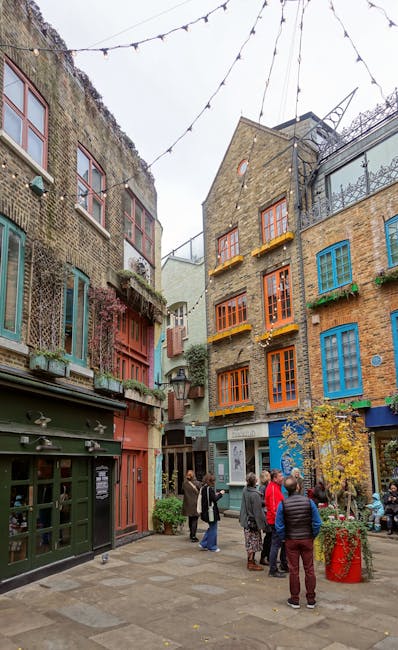
If you are planning a move around Neal Street, the building itself is only part of the challenge. The real puzzle is access: narrow courtyards, older entrances, awkward turning space, shared walkways, and the usual London fun of loading when everyone else is trying to get on with their day. This Neal Street man and van access guide for historic courtyards is designed to help you think clearly before moving day, so you can avoid the last-minute scramble and keep the whole job calm, safe, and efficient.
Historic courtyards can be lovely. They can also be a bit of a headache for removals. Doorways may be tight, vehicle access may be restricted, and the safest route for carrying furniture is not always the most obvious one. In practice, good planning makes all the difference. Below, you will find a practical, human guide to access checks, loading strategy, risk points, and the kind of preparation that saves time and stress.
Why Neal Street man and van access guide for historic courtyards Matters
Access planning matters because historic courtyards are rarely built for modern moving vehicles. Neal Street sits in a part of London where character comes first and logistics come second. That means a van may need to stop further away than you would expect, a lift may not fit the largest items, and a simple move can become slow if nobody has checked the route in advance.
The issue is not just convenience. It is about protecting walls, flooring, door frames, furniture, and people. In a courtyard setting, one misjudged turn or one overambitious carry can cause damage that costs more time and money than the move itself. To be fair, most problems are not dramatic. They are usually small things: a stairwell a bit tighter than expected, a parked car blocking the only sensible drop-off point, or a hand trolley that cannot clear a threshold.
That is why a proper access guide is useful. It helps you spot the friction points before the van arrives. It also helps you decide whether a man and van service is the right fit, or whether you need a larger team, a longer loading window, or extra support such as packing and boxes or storage.
Expert summary: in historic courtyard moves, the best outcome usually comes from reducing surprise, not increasing speed. If you know the access constraints early, the rest of the job becomes much easier.
How Neal Street man and van access guide for historic courtyards Works
In practical terms, the process is simple: you assess the route, choose the right vehicle and crew, and then plan the loading and carrying sequence so nothing gets stuck halfway. The move itself may be short-distance, but the access strategy has to be detailed. A courtyard can require a very different approach from a street-facing house or a modern apartment block.
Think of it in stages. First comes the approach to the property: can a van stop close enough? Is there space for a safe unload? Next is the hand-carry route: how far is the item from van to door, and are there steps, tight corners, or uneven paving? Then comes the internal route: narrow hallways, old staircases, low ceilings, or shared entrances. Finally, there is the exit route after everything is loaded. That last part is often forgotten, which is funny in a slightly annoying way, because it is usually where the awkwardness starts.
For buildings in and around Neal Street, a sensible mover will want to know about:
- vehicle height and width restrictions
- courtyard gate access or entry codes
- shared loading areas
- lift dimensions, if there is a lift at all
- stairs, bends, and narrow landings
- surface conditions, such as cobbles, paving, or worn stone
- any time limits for loading and unloading
If the route is tight, a smaller vehicle can sometimes be better than a larger one. That is one reason services like removal van or man with van are often a sensible choice for courtyard-heavy locations. You are not trying to fill a truck to the roof; you are trying to move efficiently through a constrained space.
Key Benefits and Practical Advantages
The biggest benefit of proper access planning is that it reduces uncertainty. That sounds obvious, but it changes everything. When the crew knows where to park, what can be carried safely, and which pieces need special handling, the whole move feels more controlled. You are less likely to have delays, and far less likely to have a stressed-out ten minutes with a sofa wedged at an angle in a doorway.
Here are the main practical advantages:
- Less damage risk: careful route planning helps protect historic finishes, doors, and furniture.
- Faster loading: a clear plan keeps the team moving instead of rethinking every item on the spot.
- Better vehicle choice: the right van size saves time and avoids access problems.
- Cleaner handover: residents, neighbours, and building managers are less likely to be disrupted.
- Lower stress: everyone knows what is happening, and that makes a big difference on the day.
Another quiet advantage is cost control. A move that is well planned can often be completed in fewer hours than one that is not. If you are checking options, it is sensible to look at pricing and quotes early, especially if you suspect courtyard access will make the job more time-sensitive.
There is also a trust benefit. A company that asks good access questions before the move usually understands the realities of older London properties. That kind of preparation is a good sign, full stop.
Who This Is For and When It Makes Sense
This guide is useful for anyone moving in or near Neal Street, but especially for people dealing with older buildings and shared access. If you are in a flat above a courtyard, a studio with a rear entrance, a converted building, or an office with a tucked-away loading point, you will probably recognise the challenge straight away.
It tends to make sense for:
- homeowners and tenants moving into or out of historic buildings
- small businesses shifting stock, desks, or fixtures through courtyard access
- students and short-term renters with limited furniture but tricky access
- people moving one or two key items rather than a whole house
- anyone who needs a flexible team instead of a full-scale removal operation
Sometimes the right choice is a dedicated removal team. Sometimes it is a small vehicle and a well-organised crew. If you have larger or more complex contents, such as multiple rooms of furniture or office equipment, it may be worth comparing removal services with a more compact option like man and van.
If the move is part of a wider relocation, you may also need help with packing, temporary holding, or sequencing. In those cases, related services such as packing and unpacking services and house removals can make the job far more manageable.
Step-by-Step Guidance
Below is the practical version. Not glamorous, but it works.
- Map the access route. Start at the van parking point and walk the route to the door. Look for gates, steps, tight turns, low arches, and any surface that could snag wheels or feet.
- Measure the awkward parts. Door widths, stair widths, lift dimensions, and item sizes matter. Even a few centimetres can change the plan.
- Check timing restrictions. Some access points are easier at certain times of day. If the courtyard is shared, plan around peak foot traffic where possible.
- Sort items by difficulty. Large, fragile, or heavy items should be identified first. A piano, for instance, is not something to "just see how it goes" with.
- Confirm parking and drop-off. Decide where the van can stop, how long it can stay, and whether you need a second person to watch the vehicle or guide the carry.
- Protect the route. Use blankets, corner protection, and sensible footwear. Historic buildings can be unforgiving, and stone steps do not forgive much.
- Load in the right order. What comes out first should usually be what can be carried most easily, not what is nearest the door. Small planning detail, big difference.
- Keep one person on communication. A single point of contact helps if the building manager, neighbour, or van driver needs a quick decision.
If you are moving a business or office, the same logic applies, but the stakes are often higher because downtime matters. In that case, a service such as office removals or commercial moves may be more suitable, especially if the courtyard access needs sequencing around deliveries, staff, or customers.
One small thing people forget: test the final turning point inside the building. That is where a lot of "it will fit" assumptions fall apart. Truth be told, the door is rarely the real problem. It is the angle after the door.
Expert Tips for Better Results
After enough courtyard moves, a pattern emerges. The jobs that go smoothly are the ones where somebody has already asked the slightly boring questions. The good news is that those questions save you from the un-boring problems later.
- Give the mover a photo set. A few pictures of the courtyard, entry, stairwell, and item size can be more useful than a long explanation.
- Pack by handling difficulty. Put fragile and heavy items where they are easy to identify and reach.
- Use the smallest practical vehicle. In tight central London courtyards, smaller is often smarter.
- Keep pathways clear. Even a bag, a plant pot, or a bike leaning in the wrong place can slow the whole move.
- Build in a little time margin. Access in historic courtyards rarely runs perfectly to the minute. It just doesn't.
- Ask about insurance and handling. You want a team that treats the property and contents with care. Pages such as insurance and safety and health and safety policy are a useful sign that the operator takes this seriously.
A practical tip that often helps: keep a small "first out, last in" box for essentials. Keys, chargers, documents, tea bags, painkillers, a cloth for dusty shelves, that sort of thing. When you arrive at the other end and the kettle is buried, you will be quietly grateful.
If your move involves holding items for a short period, or if access means you cannot place everything in one go, storage can be a very sensible part of the plan. Not exciting. Very useful.
Common Mistakes to Avoid
Most access problems are preventable. The trouble is, they often look minor from a distance. Then moving day arrives, and the minor thing becomes the thing.
- Assuming the van can park right outside. Historic and central London streets often require a backup plan.
- Forgetting internal restrictions. A door can be wide enough, but the stair landing still may not be.
- Not measuring large items. Sofas, wardrobes, and headboards are the usual culprits.
- Leaving packing too late. Half-packed boxes are awkward in a tight courtyard. They slow everyone down.
- Ignoring building rules. Shared courtyards may have quiet hours, booking rules, or loading etiquette.
- Choosing the wrong type of service. A large full-house removal package may be unnecessary, while a tiny van may be underpowered for the job.
One more thing: do not underestimate the impact of weather. A dry courtyard at 9am can be very different from a drizzly one by lunchtime. Wet stone, slippery steps, and repeated trips are not a great combination, as anyone who has done a London move in November will tell you.
Tools, Resources and Recommendations
You do not need a warehouse of equipment to manage a courtyard move well. You need the right basics, used sensibly.
| Tool or resource | What it helps with | Why it matters in historic courtyards |
|---|---|---|
| Measuring tape | Doorways, stairs, furniture dimensions | Removes guesswork before the move starts |
| Furniture blankets | Surface protection | Reduces scuffs on wood, paint, and stone |
| Gloves with grip | Safer carrying | Helpful on smooth handles or damp surfaces |
| Labels and marker pens | Box identification | Speeds up loading and unloading in tight spaces |
| Phone photos | Access assessment | Useful for planning with the mover before the day |
| Small trolley or sack truck | Moving boxes and smaller items | Handy where carrying every item by hand would be slow |
In terms of service choice, a few useful comparisons stand out. A compact vehicle from a removal van page is often the best balance for tight courtyard access. A bigger vehicle may be more efficient for a broad, open loading bay, but Neal Street-style access usually rewards flexibility over volume.
If you need a broader moving solution, it may be worth comparing removal services, removals, and a lighter man with a van approach. The best choice depends on item volume, access tightness, and how much labour you want included.
Law, Compliance, Standards, or Best Practice
For courtyard moves in London, compliance is usually less about one dramatic rule and more about a set of sensible duties. You need to think about safe manual handling, access permissions, parking or waiting restrictions, and the building's own rules. Historic properties often have their own quirks too, and those quirks matter.
Best practice normally includes:
- planning safe lifting and carrying routes
- avoiding unnecessary obstruction to neighbours and pedestrians
- respecting building management instructions
- using appropriate protective materials for furniture and surfaces
- checking that the mover has suitable insurance and safety processes
If you are moving business items or valuable contents, it is reasonable to ask about documentation, payment security, and service terms before booking. That is not being fussy. That is just sensible. Relevant company pages such as payment and security and terms and conditions can help set expectations.
For anyone with accessibility concerns, remember that historic courtyards can be less forgiving than modern buildings. If a route is difficult for you or for someone helping with the move, say so early. A reputable operator will prefer to plan around that rather than improvise later.
Options, Methods, or Comparison Table
Different move setups suit different access conditions. Here is a straightforward comparison.
| Option | Best for | Strengths | Trade-offs |
|---|---|---|---|
| Man and van | Smaller loads, flexible access, short urban moves | Quick, adaptable, often ideal for courtyards | Limited capacity for larger moves |
| Removal van | Medium loads where access is tight | Good balance of space and manoeuvrability | May still need careful parking planning |
| Full removals | Larger homes or more complex relocations | More support for heavy or numerous items | Can be unnecessary for compact courtyard jobs |
| Storage plus delivery | Moves split over time | Reduces pressure when access or timing is awkward | Needs extra planning and coordination |
For a lot of Neal Street courtyards, the middle ground is the sweet spot. A smaller vehicle, a careful route, and a team that knows how to move through older buildings without bumping and wrestling every piece into place. That tends to work best.
Case Study or Real-World Example
Imagine a small flat above a courtyard off Neal Street. The resident is moving a bed frame, a sofa, four boxes of books, a desk chair, and a few fragile kitchen items. On paper, it sounds simple. In reality, the courtyard gate is narrow, the van cannot stop directly outside, and the stairwell has an awkward turn on the second landing.
In a rushed move, the bed frame might be carried first, only for someone to realise halfway through that it needs to be rotated differently. The sofa might be left until last, which sounds fine until the hallway is full of boxes and nobody can turn the corner cleanly. Cue the familiar little sighs. We have all seen that moment.
With access planning, the job looks different. The route is checked the day before. The heaviest item is measured. The crew knows where to unload, which box contains breakables, and how far they will need to carry things across the courtyard. The van is smaller, but better suited to the site. The move still takes effort, of course, but it is orderly effort.
That is really the point of this guide. Not perfection. Just fewer surprises.
Practical Checklist
Use this checklist before the van arrives. It is simple, but it catches a lot.
- Confirm the exact access point and entrance route.
- Measure the largest items and the tightest doorways.
- Check whether the van can stop close enough for safe loading.
- Ask about loading times, courtyard rules, and any building restrictions.
- Pack and label boxes before moving day, not during it.
- Protect fragile corners, glass, and painted surfaces.
- Set aside essentials you will want immediately after arrival.
- Tell the mover about stairs, lifts, gates, and awkward corners.
- Decide whether you need storage, extra hands, or a different vehicle size.
- Keep a phone charged and reachable for quick decisions.
If you are still organising the move, services like packing and boxes, home moves, and flat removals can help you build the right setup for a historic courtyard property.
Get a free quote today and see how much you can save.
Conclusion
A Neal Street courtyard move does not need to be complicated, but it does need to be thought through. Historic access is rarely generous, and the difference between a smooth move and a messy one usually comes down to a few early decisions: the right vehicle, the right route, the right packing, and the right expectations.
If you plan carefully, the courtyard stops feeling like an obstacle and starts becoming just another part of the route. Not easy, exactly. But manageable. And that is usually enough. A little care goes a long way in these older London spaces, and honestly, that is part of their charm.
When the last box is through the gate and the van pulls away, what you will remember most is not the pressure. It will be the relief. That quiet feeling that the job was handled properly.
Frequently Asked Questions
What makes Neal Street courtyard access difficult for a man and van?
Historic courtyards often have narrow gates, limited stopping space, shared entrances, and uneven surfaces. That combination can make loading slower and more awkward than a standard street-facing move.
Should I choose a larger vehicle for a courtyard move?
Not always. A larger vehicle can create more access problems in tight central London spaces. In many cases, a smaller van is easier to position and quicker to unload.
How do I know if my sofa or wardrobe will fit through the route?
Measure the item and the narrowest part of the route, including turns and stair landings. Straight measurements are useful, but angled movement is often what determines success.
Do historic courtyards usually have loading restrictions?
They often do, though the exact setup varies by building and area. Always check the access rules, timing restrictions, and any instructions from building management before moving day.
Is a man and van service suitable for office moves in Neal Street?
Yes, for smaller office moves or lighter loads. If the office has multiple desks, filing, or equipment, you may need a broader service such as office removals or commercial moves.
What should I tell the mover before the job starts?
Share the courtyard layout, parking options, stairs, lifts, gate codes, large item sizes, and any timing restrictions. A few photos can help a lot too.
Can I use storage if access is too tight to move everything at once?
Yes. Storage can be useful if the property is cramped, the move is staged, or you need to split delivery over more than one day.
How early should I book a courtyard move?
As early as you reasonably can, especially if the building has limited access times or if the move needs extra planning. Leaving it until the last minute tends to create avoidable stress.
What kind of packing helps most in a tight courtyard?
Small, well-labelled boxes are easier to carry than oversized, overfilled ones. Fragile items should be wrapped properly, and heavy items should not be packed into boxes that are too large to handle safely.
Are there safety concerns with old stone or paved courtyard surfaces?
Yes. Stone and paving can become slippery, uneven, or worn, especially in wet weather. Good footwear, careful pacing, and proper lifting technique matter more than people sometimes realise.
What if the van cannot stop right outside the building?
That is common in central London. The job can still work well, but you need to plan the hand-carry distance, the route across the courtyard, and the time required for loading and unloading.
Where can I learn more about the company's approach to safety and service standards?
Useful starting points include the company's health and safety policy, insurance and safety information, and about us page. Those pages help you understand how the service is organised and what standards you can expect.
For a move around Neal Street, the best result is usually the calmest one. Plan the access, respect the building, and let the day unfold without rushing. That is often the whole game, really.