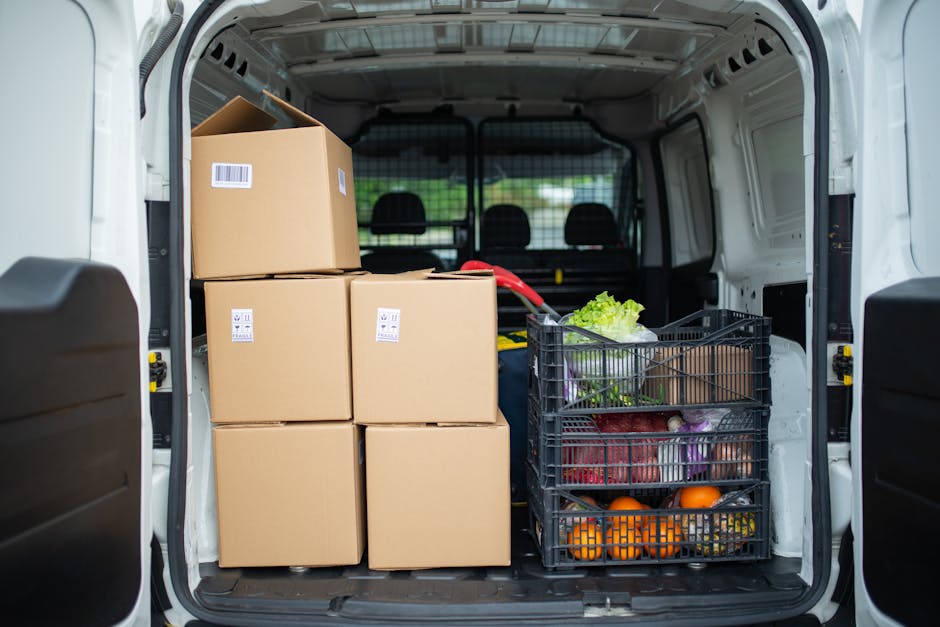
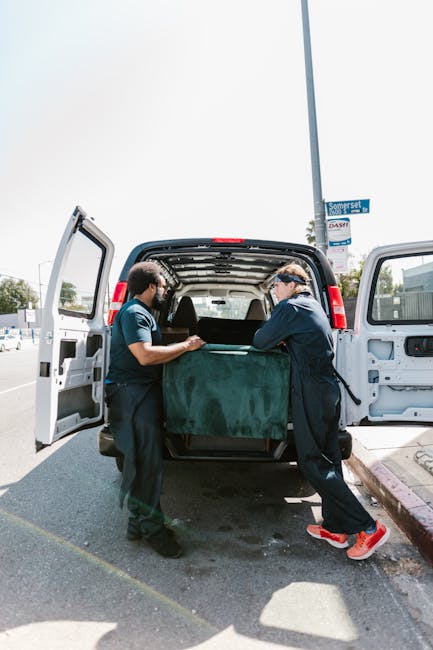
WC2E Small Van Removals Tips for Tight Loading Bays
If you are planning a move in WC2E, you already know the tricky bit is rarely the boxes themselves. It is the access. Tight loading bays, narrow streets, busy kerbs, awkward entrances, and the occasional van that seems just a touch too big for comfort can turn a simple collection into a small logistical puzzle. The good news? With the right WC2E small van removals tips for tight loading bays, you can keep the day calm, organised, and far less stressful than it first looks.
This guide is for anyone moving in Covent Garden, the Strand edge of WC2E, or nearby central London streets where space is precious and timing matters. We will cover how small van removals work, why they are often the smartest choice for restricted access, and what to do before the vehicle even pulls up. A lot of the stress comes from avoidable mistakes, truth be told, so the aim here is simple: help you move more smoothly, with fewer surprises and a lot less faffing about.
Table of Contents
- Why WC2E Small Van Removals Tips for Tight Loading Bays Matters
- How WC2E Small Van Removals Tips for Tight Loading Bays Works
- Key Benefits and Practical Advantages
- Who This Is For and When It Makes Sense
- Step-by-Step Guidance
- Expert Tips for Better Results
- Common Mistakes to Avoid
- Tools, Resources and Recommendations
- Law, Compliance, Standards, or Best Practice
- Options, Methods, or Comparison Table
- Case Study or Real-World Example
- Practical Checklist
- Conclusion
- Frequently Asked Questions
Why WC2E Small Van Removals Tips for Tight Loading Bays Matters
WC2E is one of those areas where a move can look easy on a map and then become a different story once you are on the street. Loading bays may be short, shared, time-limited, or positioned where traffic never quite stops. Pavements can be busy, entrances can be awkward, and you may have only a few minutes to load before you start blocking someone or getting in everyone's way. That is exactly why local knowledge matters.
Using a small van is not just about having a smaller vehicle. It is about matching the job to the place. A compact removal van can be easier to position, quicker to load, and more realistic for narrow access moves than a larger lorry that simply cannot sit where it needs to be. In central London, the best move is often the one that fits the street, not the one that looks most impressive.
There is also a practical side that people sometimes overlook: less manoeuvring means less risk. When a van can pull in cleanly, load efficiently, and leave without multiple shunts, there is usually less chance of bumping kerbs, scraping furniture, or losing time while other vehicles wait behind you. If you want a broader overview of service options, the services overview is a sensible place to start.
Expert summary: In WC2E, a successful small van move is usually won before loading starts. The street layout, the bay rules, the item size, and the order of loading all matter more than most people expect.
How WC2E Small Van Removals Tips for Tight Loading Bays Works
At a simple level, small van removals work by using a vehicle that is easier to place in restricted spaces while still carrying the load safely. But the real value comes from how you prepare the move around the bay itself.
First, you identify the access point. Is there a loading bay directly outside, or do you need to use a nearby stopping point? Can the van sit kerbside without blocking a junction, cycle lane, or busy footpath? In WC2E, those questions matter because access can change block by block. A tiny difference in road width can decide whether a move is straightforward or a bit of a headache.
Second, you plan the sequence. The best loading-bay moves are not improvised. They follow a pattern: quick unload of the bulky items, then medium boxes, then smaller packed items that fill the gaps. Heavy items should not be buried under soft ones. And if you are moving anything awkward, like a sofa or a mattress, it helps to read practical packing guidance first, such as these sofa preservation tips or advice on relocating a mattress and bed.
Third, the job has to be timed properly. A loading bay is rarely there for your convenience alone. You may have a short window, limited wait time, or traffic that starts to build up the moment the van stops. That is why many people choose a service that can deliver at the best time for you, because timing in central London is half the battle.
If you are packing in advance, it also helps to use a firm, consistent method. The article on how to pack your belongings properly is useful background, especially for moves where every centimetre in the van counts.
Key Benefits and Practical Advantages
Small van removals for tight loading bays offer more than just convenience. They solve a very specific set of central London problems, and that can make the whole move feel noticeably easier.
- Better access: A smaller van is easier to position where space is tight.
- Less street disruption: Faster loading can reduce friction with traffic, pedestrians, and neighbours.
- Lower risk of damage: Shorter distances from property to vehicle usually mean fewer knocks and scrapes.
- More flexible timing: Small van services can sometimes work around short parking or loading windows more effectively.
- Better for selective loads: Ideal if you are moving a flat, a few large items, student belongings, or part of an office.
There is also a comfort benefit, and people underestimate that. A move that feels controlled is just easier to live through. You are not standing on a pavement wondering whether the van can fit, or if the bed frame has to be carried another 40 metres because the larger vehicle cannot stop nearby. You just get on with it.
For customers who need a faster turnaround, a small van can be a practical fit for same-day removals in Covent Garden. That does not mean every urgent move should use one, of course, but it is often the right size when access is tight and the job is manageable.
Who This Is For and When It Makes Sense
Small van removals are not only for tiny moves. They are often the best option for anyone dealing with restricted access, a short loading bay, or a building where a larger removal vehicle simply would not be practical.
This approach often makes sense for:
- flat moves in central London
- studio or one-bedroom relocations
- student moves with boxed belongings and a few larger items
- single-item or partial-property moves
- office equipment transfers where access is limited
- moves involving shared entrances, courtyards, or narrow mews-style streets
It is especially useful if you are dealing with properties where the lift is small, the stairwell is narrow, or the loading point is several doors away from the front entrance. In those cases, a smaller vehicle can actually make the entire process simpler because the loading pattern becomes easier to control.
If your move is more furniture-heavy, you might want to compare it against furniture removals in Covent Garden or, for broader support, flat removals in Covent Garden. Those pages are worth a look if you are trying to judge the right type of service before booking.
And if you are not sure where your move sits, that is perfectly normal. Some jobs look small until you factor in access, stairs, or the awkward shape of the furniture. Happens all the time.
Step-by-Step Guidance
Here is a practical way to approach a small van move in WC2E without making the loading bay the source of all your stress.
1. Check the access before moving day
Look at the route from the property to the van stop. Measure doorways if necessary, note any steps, and think about where the van can realistically wait. If you know the bay is short, try to keep the loading path clear. A quick walk-through the day before can save a lot of awkwardness later.
2. Match the load to the vehicle
Small vans are brilliant for tight access, but they still need sensible load planning. Heavy boxes should go at the bottom. Fragile items need padding, not guesswork. Long items should be loaded first if they define the layout. If you have a freezer in the mix, look at how to store your freezer during downtime so it is handled properly if it will not be plugged in immediately.
3. Declutter before you pack
Moves in central London often become easier the moment you stop taking things you do not actually need. That old lamp, the spare chair, the box of cables you have not opened in years, it all adds time. Thoughtful decluttering can reduce the number of trips and make the loading bay window much easier to manage. A useful starting point is this guide to decluttering before a move.
4. Pack for speed, not just safety
In tight access moves, the way you pack matters as much as what you pack. Clear labels, sealed boxes, and grouped room-by-room items make loading quicker. Keep your most needed items accessible, because nobody enjoys opening five boxes just to find a kettle at the end of the day. Not a great way to start a new place, honestly.
5. Reserve the bay and confirm timing
If parking or stopping is limited in the area, confirm the timings carefully. Even a small delay can mean the loading bay is gone or occupied. You want everyone aligned on arrival time, loading time, and the approximate handover point. It sounds simple, but this one step saves a surprising amount of hassle.
6. Load in a sensible order
Use the van space properly. Heavier and more stable items should go in first, then medium boxes, then lighter fillers. Blankets, straps, and careful stacking help protect the load when the route gets bumpy. Central London roads can be unforgiving, and a badly packed van will show it quickly.
7. Keep a contingency plan
What happens if the bay is blocked? What if the lift is delayed? What if a box arrives late? Having a backup plan is not being dramatic. It is just sensible. A good mover will adjust, but it helps if you know in advance where the pressure points are.
Expert Tips for Better Results
These are the small things that make a real difference in WC2E, especially when the loading bay is tight and the clock is ticking.
- Use uniform box sizes where possible. They stack better and waste less space in the van.
- Keep a floor plan for the new place. It saves time at delivery and avoids endless reshuffling.
- Protect corners and edges. Door frames and polished furniture do not mix well with narrow access.
- Do not overload one side of the van. Balanced loading makes manoeuvring safer and easier.
- Pre-wrap awkward items. Beds, mirrors, and side tables usually move better when prepared properly.
- Have one person managing the bay. Even in a small move, someone should keep an eye on traffic, pedestrians, and timing.
There is a small but useful mindset shift here: think like a courier for an hour, not like someone doing a general clear-out. The goal is flow. Quick, clear, deliberate movement. If you can reduce pauses, everything gets easier. That is especially true where the loading bay is on a busy street and every extra minute is visible to the whole road.
For heavier or awkward pieces, it can help to review specialist lifting advice such as solo heavy lifting tips and safer lifting methods. The body is part of the equipment, after all, and it deserves a bit of respect.
Common Mistakes to Avoid
A lot of loading-bay problems come from a few repeat mistakes. Most are avoidable, which is a relief.
- Booking the wrong vehicle size: A van that is too large for the bay can create delays before loading even starts.
- Ignoring access restrictions: Some bays have time limits, signage, or local rules that you need to respect.
- Packing without a plan: Randomly boxed items slow everything down and waste space.
- Leaving fragile items unprotected: Central London road vibration can do more damage than people expect.
- Assuming the street will be clear: It often is not. Delivery vans, taxis, and bin collections have their own ideas.
- Forgetting to measure large furniture: If it will not fit through the bay route, you need to know early.
One classic issue is underestimating how long loading takes. People picture the move as a 20-minute event. Then the sofa is awkward, the lift is busy, the boxes are heavier than expected, and the bay starts to feel smaller every minute. Better to overestimate and be pleasantly surprised.
Tools, Resources and Recommendations
You do not need a warehouse of specialist kit for a small van move, but a few sensible tools make a big difference.
- Removal blankets: Help protect furniture edges and polished surfaces.
- Ratchet straps or load straps: Keep items steady during transit.
- Trolleys or sack trucks: Useful for heavier boxes and appliances where access allows.
- Bubble wrap and corner protectors: Good for fragile or awkward items.
- Labels and markers: Help with fast unloading and room placement.
- Reusable crates or strong boxes: Helpful if you want consistency and easier stacking.
If you need packing materials, the packing and boxes service is a sensible place to explore. If your move is not immediate and you need somewhere safe for overflow items, storage in Covent Garden can also be worth considering.
For someone trying to keep the whole move tidy, a quick read of how to clean your house before moving out can be surprisingly useful too. A clean, cleared space tends to load faster. Simple, but true.
Law, Compliance, Standards, or Best Practice
Moves in WC2E are affected by practical rules more than dramatic legal detail, but the rules still matter. Loading bays, waiting restrictions, shared access routes, and local traffic conditions can all affect what you can do and when you can do it. Always check signage carefully and plan around any restrictions that apply to the street or building.
Best practice usually means three things: do not block access unnecessarily, keep the move safe for people and property, and respect the property rules at both ends. If a building management team has specific loading instructions, follow them. If the street needs a short stop only, keep to that. It sounds obvious, but in the rush of moving day it is easy to let common sense slide a bit.
Health and safety is not just paperwork either. Good lifting, clear walkways, sensible footwear, and proper securing of items all reduce the chance of injury. If you want more detail on the standards behind a professional approach, review the company's health and safety policy and insurance and safety information. For service terms, the terms and conditions page is also worth a look.
And if you are comparing providers, you may find it reassuring to check practical details such as pricing and quotes rather than guessing from a quick phone call alone. Transparent expectations help everyone.
Options, Methods, or Comparison Table
Choosing the right approach depends on access, volume, and how much handling your items can tolerate. Here is a simple comparison that may help.
| Move Type | Best For | Strengths | Watch Outs |
|---|---|---|---|
| Small van removal | Tight loading bays, flats, smaller loads, narrow streets | Easier access, faster positioning, less street disruption | Limited capacity, requires good packing discipline |
| Medium removal van | Moderate volume with reasonable access | More space, fewer trips | Can be harder to place in restricted bays |
| Full house removal vehicle | Larger family homes and bigger inventories | High capacity, efficient for substantial moves | Not ideal for tight WC2E loading conditions |
| Two-vehicle split load | Complex access or larger jobs with multiple drop-offs | Flexible routing, easier item separation | More coordination needed, may cost more |
For many WC2E moves, the small van option wins not because it is the biggest or flashiest choice, but because it fits the street. In narrow-access areas, fit is everything.
Case Study or Real-World Example
Imagine a one-bedroom flat move near Covent Garden with a loading bay that sits just off a busy road. The customer has a sofa, a bed frame, a mattress, six medium boxes, a desk, and a couple of fragile bags. Nothing huge, but enough to create problems if everything is left until the last minute.
The first instinct might be to book the largest van available "just in case". But the bay is narrow, turning space is limited, and other vehicles come through regularly. A smaller van makes more sense. The move is planned for early morning, before the street becomes too active. Boxes are labelled by room, the sofa is wrapped, and the bed is partly disassembled so it moves cleanly through the stairwell. That is the sort of detail that saves time.
On the day, the van parks without drama, the load sequence is simple, and the items go in in a sensible order. The customer is not waiting around, the bay is cleared on time, and there is no need to rush the final boxes through a blocked pavement. It is not glamorous. But it works.
That example mirrors what often happens in WC2E: the move goes well because the access problem was solved before the first box moved. Small van, clear plan, realistic timing. Job done.
Practical Checklist
Use this quick checklist before your move day. It is simple, but it catches a lot of the usual problems.
- Confirm the loading bay location and any time limits.
- Check whether a small van is the right size for your items.
- Measure awkward furniture and note stair or lift restrictions.
- Pack boxes securely and label them clearly.
- Protect fragile items with wrap, padding, or blankets.
- Set aside essentials you will need immediately.
- Clear walkways and keep access routes open.
- Have a backup plan if the bay is occupied.
- Keep keys, paperwork, and contact details to hand.
- Schedule the move at a sensible time for traffic and building access.
If you are at the stage of choosing a provider, you can also use man with van services in Covent Garden or the broader removal services page to compare what is included.
Get a free quote today and see how much you can save.
Conclusion
WC2E small van removals are all about matching the vehicle and the process to the realities of central London access. Tight loading bays need planning, not guesswork. If you choose the right van size, pack properly, time the move carefully, and keep the loading order efficient, the day becomes much easier to handle.
That is really the heart of it. Less chaos. Less waiting. Fewer awkward shuffles in the street while everyone wonders what on earth is taking so long. And if your move involves something particularly tricky, such as a narrow staircase, a heavy sofa, or an item that needs specialist care, it is worth leaning on a team that understands the local ground conditions. You can always reach out through the contact page if you want to discuss the details before booking.
Move steadily, plan early, and give yourself a bit of breathing room. In a place like WC2E, that is often the difference between a stressful day and a surprisingly smooth one.
Frequently Asked Questions
What size van is best for tight loading bays in WC2E?
A small van is often the best choice when the loading bay is narrow or access is restricted. It is easier to position, quicker to load, and generally more practical for central London streets than a larger vehicle.
Can a small van handle a flat move in Covent Garden?
Yes, in many cases it can, especially for studio or one-bedroom flats. The key is whether the access route, item size, and total volume suit the vehicle. A careful assessment before booking is the smart move.
How do I know if my loading bay is suitable for a removal van?
Check the bay length, access width, nearby restrictions, and turning space. If possible, walk the route from the building to the vehicle stop and note any obstructions or tight turns.
Should I dismantle furniture before using a small van?
Usually yes, if it will make the items easier to carry or load. Beds, tables, and some shelving often move better when partially dismantled. Just keep fixings in labelled bags so nothing goes missing.
What if the loading bay is already occupied on moving day?
That is why it helps to have a backup plan. You may need to wait briefly, use a nearby stop, or adjust the loading sequence. Good timing and clear communication make this much easier to manage.
Are small van removals cheaper than larger removals?
They can be, depending on the volume of items, travel time, and access conditions. The main advantage is often efficiency rather than price alone. For a clearer picture, compare options using a proper quote.
Do I need special packing for a small van move?
You do not need anything fancy, but you do need secure packing. Strong boxes, clear labels, and decent protection for fragile items help maximise space and reduce damage during transit.
Is a small van good for same-day removals in WC2E?
Often yes, especially if the load is manageable and access is tight. Small vans are commonly used for urgent, local moves where speed and flexibility matter more than sheer capacity.
What items should not be loaded last?
Heavy, unstable, or fragile items should not be left until the end if they need careful positioning. The best loading order usually puts the heaviest and most stable items in first so they can be secured properly.
How can I make a move through a narrow loading bay safer?
Keep walkways clear, use proper lifting technique, protect furniture edges, and make sure someone is watching the bay and traffic. A calm pace and good communication reduce the risk of mishaps.
Can I combine storage with a small van move?
Yes, and it is quite common if you are waiting for keys, staging a renovation, or moving in stages. Short-term storage in Covent Garden can make the logistics much simpler.
What should I ask before booking a removal service in WC2E?
Ask about van size, access experience, timing flexibility, insurance, packing help, and any loading bay concerns. Clear answers early on usually save a lot of stress later.